
Walk into a bathroom that’s five years old and you can read every decision somebody made.
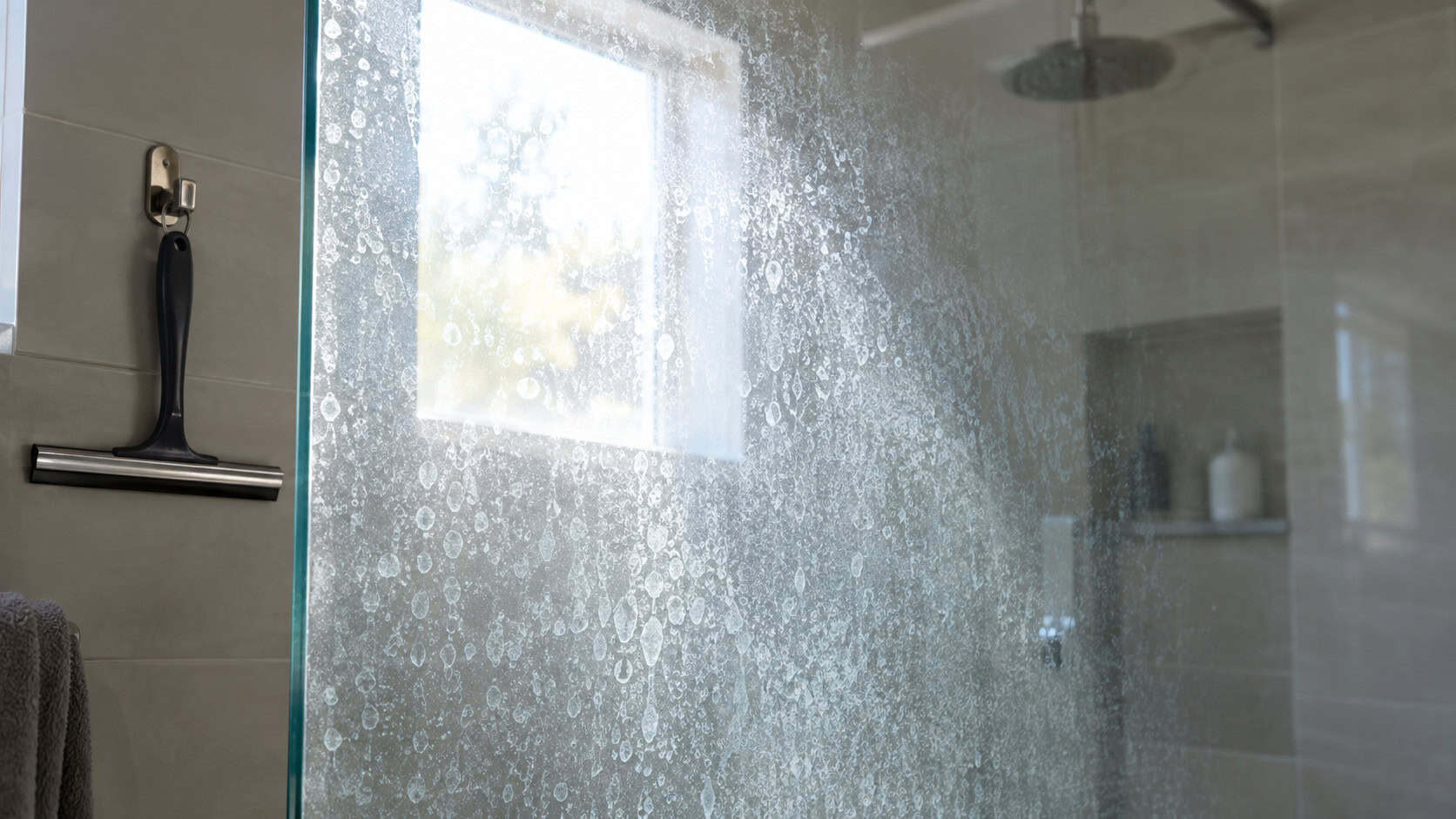
The pebble floor with gray scum in the joints. The glass panel that won’t come clean no matter what you spray on it. The whirlpool tub holding a stack of folded towels.
None of it looked like a mistake on installation day. That’s the problem with bathroom choices — the bill comes due slowly, in daily annoyance and in one expensive surprise around year four.
Plumbers, tile setters and remodelers see the same regrets over and over. They also install something different in their own homes.
Here are the shower and tub choices that go sour fastest, and what the trades pick instead.
1. The Jetted Whirlpool Tub Nobody Fills Twice

Count the whirlpool tubs you’ve seen in real homes. Now count the ones with water in them.
The fantasy is a glass of wine and twenty jets. The reality is a tub that takes eight minutes to fill past the jet line, a pump that sounds like a shop vac, and a cleaning routine most owners never learn about.
Those jets connect to several feet of hidden plumbing that never fully drains. Whatever’s left — soap, skin cells, body oil, bath salts — sits in warm plastic pipe until the next use. Biofilm forms. Run the pump after a few idle months and you’ll see the gray flakes come out with the first surge of water.
Keeping one sanitary means filling it with hot water, dosing it, running the jets, draining and rinsing, roughly every month. House Cleaning Central lays out the full purge routine, and it’s more work than anyone signs up for.
Most owners use one four or five times in the first year. Then it becomes storage.
Pros who still want the soak go two directions. An air-jet tub with an automatic purge cycle blows the lines dry after every drain, which solves the biofilm problem outright. Or they skip the mechanicals entirely and buy a deep plain acrylic soaker — more water depth, zero pump, nothing to service, and a third of the price.
2. River-Rock Pebble Shower Floor

You’ve stood on one. Spa-like for about four showers.
Pebble floors use two to two and a half times the grout of standard tile, and every one of those irregular joints is a trap for soap film and mineral deposits. Scrubbing between a thousand rounded stones with a brush isn’t a chore anyone keeps up with.
The stones also have to be sealed, and most never are.
Pros use 2×2 porcelain mosaic — enough joints to grip and slope, few enough to clean — or a large-format floor paired with a linear drain so the whole pan can pitch in one direction.
3. Ripping Out the Only Bathtub in the House

This is the number one five-year regret, and it isn’t about looks.
Tearing out the last tub for a bigger shower feels luxurious until you list the house. Real estate agents will tell you it narrows the buyer pool hard — anyone with a toddler, a dog, or a plan to have either walks out of a tubless home.
It also shows up sooner than resale. Visiting grandkids, a sprained ankle, a sick kid at 2 a.m.
Keep one usable tub somewhere in the house. Put it in the hall bath and build the walk-in shower in the primary. Nobody regrets that split.
4. Frameless Glass With No Protective Coating

Frameless glass is the single most requested shower upgrade of the last decade, and it photographs beautifully for about two years.
Then the etching starts.
Here’s the mechanism. Hard water carries dissolved calcium and magnesium. When a droplet evaporates on glass, those minerals stay behind and slowly react with the silica in the glass surface itself. Early on it’s a film you can scrub off. Past a certain point the damage is in the glass, not on it, and no cleaner on the shelf will touch it. The panel has to be professionally polished or replaced.
Water above about 7 grains per gallon accelerates this noticeably, and large parts of the Midwest and Southwest run well past 10. If you’ve got scale on your shower head and a crust on the kettle, your glass is already under attack.
Untreated frameless glass realistically needs a squeegee after every single shower. By every member of the household. Forever.
Pros spec a factory-applied hydrophobic coating at the glass shop — it’s baked on, not wiped on, and it runs a couple hundred dollars on a typical enclosure. Low-iron glass with the same treatment looks even cleaner because it loses the green edge tint. And if the house has genuinely hard water, a softener protects the glass, the valve cartridges and the water heater all at once.
5. A Rain Head as Your Only Shower Head

Ceiling rain heads drop water straight down at whatever speed gravity provides. There’s no velocity behind it.
So rinsing conditioner out of long hair takes twice as long, and your shoulders and back stay dry and cold the entire time because the spray only lands on top of you.
People blame the flow restrictor and yank it out. It barely helps, because the issue is geometry. The EPA’s WaterSense showerhead spec caps flow at 2.0 gpm while still requiring minimum spray force and coverage — a conventional head meets that easily, a wide ceiling rain pattern struggles.
Pro move: put the rain head on a diverter alongside a conventional wall-mount head and a handheld on a slide bar. Three outlets, one at a time, and rain head placement that actually clears your head rather than your shoulders.
6. Marble and Natural Stone Shower Walls

Marble in a wet area is the choice tile setters name most often when asked what homeowners regret.
Stone is porous and calcium-based. Shampoo, conditioner, body oil and anything acidic will etch it — not stain, etch, meaning the polish is chemically eaten away and the spot stays dull forever. Most bathroom cleaners are acidic enough to do it in one wipe.
It also needs resealing on a schedule, which nobody keeps.
Porcelain slab or marble-look porcelain reads identical from three feet away, costs less, and shrugs off everything. Save the real Carrara for a vanity top you can keep dry.
7. An Off-Brand Shower Valve With No Access Panel

Every other fixture in the bathroom can be swapped in an afternoon. The valve body is the one part sealed permanently behind tile.
Import and house-brand valves use proprietary cartridges. When the company stops importing that line — and three to five years is common — a fifteen-dollar drip turns into opening the wall.
Spec a Delta, Moen, Kohler or Grohe rough-in. Those cartridges have been stocked at every supply house for decades, and the question of whether you have to replace the valve when you change trim usually answers itself with a no.
Then cut an access panel in the back side of the wall — a closet, a hallway, anywhere. Costs nothing at framing. Saves a thousand dollars later.
8. The 32×32 Corner Shower

Thirty-two inches square sounds workable on a floor plan. Stand in one and your elbows hit glass when you wash your hair.
The door usually swings into the toilet. There’s no room for a bench, a niche is an afterthought, and shaving your legs is a balancing act.
Treat 36×48 as the floor, not the goal.
Better yet, if there’s a tub alcove you’re not using, steal it. A standard alcove converts to a 60-inch shower with real elbow room, and the plumbing’s already in the right wall.
9. The One-Day Tub Liner or Acrylic Overlay

The pitch is hard to argue with. New tub, new walls, done before dinner, no demolition.
What actually happens is that a molded acrylic shell gets glued over your existing tub and the old surround gets capped with panels. The original tub — chips, rust, failing drain and all — is now sealed inside.
Everything then depends on the caulk and the seams. The liner meets the new wall panels at a joint, and that joint moves every time someone steps in, because two shells flexing at slightly different rates don’t stay bonded forever.
Water finds the gap. It runs down between the liner and the original tub, where it cannot evaporate and cannot be seen. It pools on the old tub deck and works toward the drain penetration in the subfloor.
Remodelers who’ve torn these out describe soft plywood, rusted-through steel tubs and black mold growing in the cavity between the two shells. The homeowner’s first clue is usually a soft spot in the floor or a stain on a downstairs ceiling, which is years after the water started.
Some of these installs hold up fine. The problem is that when one doesn’t, you can’t inspect it, you can’t dry it out, and the repair is everything you were trying to avoid plus remediation.
Pros tear the old tub out. Three days instead of one, a new tub set properly on a mortar bed, fresh waterproofing behind the walls, and a subfloor somebody actually laid eyes on.
10. Black or High-Contrast Grout in a Wet Area

Dark grout in a shower is a one-way street.
Minerals in the water, soap residue and every cleaner with bleach in it will lift the pigment. Within two or three years it goes patchy — lighter in the splash zone, still dark in the corners, blotchy everywhere in between.
You can’t put the color back. You can only dye over the top of it, and grout colorant on a shower floor wears off where you stand.
Mid-tone grout in a high-performance or epoxy formula hides both the water spots and the dirt. Charcoal belongs on a kitchen backsplash, not in a daily shower.
11. Bypass Sliding Doors With a Bottom Track

That aluminum track is a trough. It holds a film of standing water, hair, soap scum and whatever grows in the dark.
No brush reaches the inside of the channel, and the little drain weep holes clog within a year.
Bypass doors also cost you half the opening — on a 60-inch tub you’re climbing through 28 inches of gap.
Hinged or pivot doors eliminate the track entirely. A top-hung barn-style roller gives you a wide opening with nothing on the floor but a thin sweep you can wipe in two seconds.
12. Tile Set Over Greenboard With No Waterproof Membrane

This is the most expensive mistake on the list, and you can’t see it from inside the shower.
Green drywall is moisture-resistant, not waterproof. It was never rated for direct wet exposure, and tile and grout are not a waterproof layer — grout is cementitious and absorbs water by design. In a properly built shower, the waterproofing lives behind the tile.
Done right, that means cement board or foam board, then a bonded waterproofing layer: a sheet membrane like Schluter Kerdi or a liquid-applied system such as RedGard or Hydro Ban rolled to the manufacturer’s required mil thickness, usually two coats.
The floor is where most failures start. A traditional pan needs a mortar pre-slope under the liner so water reaching the membrane can drain out through the weep holes, rather than sitting on a flat liner for a decade. Skip the pre-slope and the pan is a bathtub.
Then comes the step almost everyone omits. Plug the drain, fill the pan with water to the curb, mark the level and leave it 24 hours. If the line hasn’t moved, tile can go on. A flood test costs one day and nothing in materials.
Without it, the failure surfaces three to seven years out as a brown ring on the ceiling below. By then the joists are wet, the subfloor is delaminated, and you’re paying for demolition, mold remediation and a full rebuild — routinely $15,000 and up.
Ask your installer which membrane system they’re using and whether they flood-test. The answer tells you everything.
13. Matte Black and Unlacquered Brass Shower Trim

Matte black shows every water spot and every fingerprint, and the texture that makes it matte is exactly what holds mineral residue. Hit it with the wrong cleaner a few times and it goes chalky in streaks.
Unlacquered brass is sold on the promise of patina. In a shower, that patina arrives unevenly — dark where water sits, bright where hands touch.
Both also refuse to match across brands. Your Delta black and your cabinet-hardware black will not be the same black.
Brushed nickel has outlasted every finish trend since the mid-’90s for a reason: it hides spots, takes any cleaner, and the brushed nickel versus chrome debate is about taste, not durability. Either one will still look right in 2040.
14. The Garden Tub on a Tiled Deck

Every 1990s primary bath had one. A drop-in tub marooned in an acre of tile, usually under a window with a plastic palm on the ledge.
The problems are structural and cosmetic at once. There are grout lines at the waterline, which means water sitting in cementitious joints daily. There’s a caulk seam at the tub flange that’s the single most common leak path in the room. And the deck itself collects dust, candle wax and bottles you’ll never use.
It also eats floor space that a shower could have used.
A skirted alcove tub gives you the same bathing volume with one integral apron and no deck. A freestanding model with open floor around it does it with style.
15. Skipping the Real Exhaust Fan

Brand-new tile growing mildew in the corners within two winters almost always traces back to the fan.
A shower puts somewhere around half a gallon of water into the air as vapor. If it doesn’t leave the house, it condenses on the coldest surface it can find — the window, the ceiling, the back side of the drywall.
Size the fan at roughly 1 CFM per square foot of bathroom, with 50 CFM as the absolute floor. A 90-square-foot bath wants 90 to 110 CFM. If the ceiling is above 8 feet or there’s a separate enclosed toilet, size up.
Three installation details matter more than the fan itself:
- Insulated duct, so vapor doesn’t condense inside the pipe and run back down
- Smooth rigid or semi-rigid duct on the shortest route possible — flex duct full of sags kills airflow
- Termination through the roof or a sidewall, never into the attic or soffit
Venting into an attic is still common and it’s how you rot a roof deck from below.
Add a humidity-sensing switch. It runs the fan until the room is actually dry instead of until somebody remembers, and it costs about $30 more than a plain switch. Pros put one in every bath they build.
16. Polished Large-Format Tile on the Shower Floor

The opposite failure from pebbles. A glossy 12×24 with soap running across it is an ice rink.
Slip resistance has a number — DCOF, dynamic coefficient of friction. Anything used on a wet floor should be rated 0.42 or higher, and it’s printed right on the spec sheet. Almost no homeowner looks.
Large format also fights you on slope. A shower floor has to pitch a quarter inch per foot to the drain in every direction, and big rigid tiles can’t follow a cone.
Textured tile, rated 0.42 or above, in a format small enough to warp toward the drain. Or run large format and let a linear drain give you a single-direction slope.
17. A Six-Outlet Shower System on a Half-Inch Valve

Four body sprays, a rain head and a handheld look incredible in the showroom. Then everything runs weak and lukewarm at once.
Do the arithmetic. Six outlets at 2.0 gpm each is 12 gpm. A half-inch supply line delivers maybe 6 to 8, and a standard 40-gallon water heater can’t keep up with a fraction of that. The International Code Council has covered how multi-head systems collide with both supply capacity and efficiency codes.
Pros run the flow math before anything gets ordered. Then they spec a thermostatic valve with separate volume controls so you run two outlets at a time deliberately, not six simultaneously at half strength.
Three-quarter-inch supply if the system is genuinely big.
18. The Steam Shower

A real steam enclosure is a different animal from a shower with a steam button.
It needs a fully vapor-tight envelope, a ceiling sloped at least two inches per foot so condensate runs to the walls instead of dripping on your head, a sealed door with no gap at the top, a correctly sized generator, and a drain line for the generator’s flush cycle.
Half-done versions drive vapor straight into the framing above the ceiling. Owners notice the stained drywall, stop using the steam function, and inherit an expensive dead feature.
Build it properly with a contractor who’s done several, or put that same $4,000 into a bigger shower, better glass and a second head.
19. No Built-In Niche (The Hanging Caddy Life)

A niche costs almost nothing at rough-in. Adding one later means opening tile and wall.
The rusting wire caddy hanging off the shower arm is the universal tell that somebody forgot.
Build two. One at chest height for shampoo, one low and wide so a foot can go up on the sill while you shave.
Slope the sill a few degrees so water runs out, and use a solid-surface or stone shelf rather than a grouted tile ledge. Fewer joints, nothing to scrub.
20. A Freestanding Tub Shoved Against the Wall

Freestanding tubs are designed to be seen from all sides. They need air around them.
Push one into a corner and you’ve created a four-inch gap behind it that collects dust, hair and standing water, and no arm on earth reaches into it.
There’s also no ledge. Soap, shampoo and a wine glass have nowhere to go but the floor.
And the floor-mount filler — $900 of exposed pipe — ends up standing right in the walking path between the door and the toilet.
In a tight room, use a back-to-wall or skirted model with a wall-mount filler. You get the shape without the maintenance trap.
21. Glass Block Shower Walls

The curved glass block wall dated faster than almost any feature in bathroom history. It said 1991 by 1999.
It’s also mortared in place like masonry, so changing your mind means a demo crew, not a weekend.
The blocks collect scum in the mortar joints and distort everything behind them into a green blur.
If the appeal was light without exposure, use clear fixed glass panels and put privacy film on the window.
22. Digital Shower Controls and Chromotherapy Lighting

An app-controlled valve ties a permanent fixture to a product line, a control board and sometimes a manufacturer’s server.
Five years from now the app may not be supported, the board may be discontinued, and the electronics have been sitting in the wettest room in the house the entire time. Digital shower systems already generate steady troubleshooting traffic, and they’re the newest fixtures in the house.
Chromotherapy LEDs are the same bet with less payoff. Nobody has ever used the purple setting twice.
A mechanical thermostatic valve holds your temperature within a degree, has no firmware, and any plumber on earth can rebuild it with parts from the truck.
23. A Curbless Wet Room in a Small Bathroom

Curbless is genuinely excellent for accessibility and aging in place. It’s also miserable when there’s nothing containing the spray.
In a small bath with no barrier, shower water reaches the toilet paper, the vanity doors and the towels on the hook. The whole floor has to be waterproofed and sloped, not just the shower zone, which raises the cost well beyond a standard pan.
Done right it’s great: a properly sloped field, a linear drain set tight to the wall, and a fixed glass splash panel that stops the overspray without a door.
Done as a style choice in a 5×8 bathroom, it’s a mop in the corner.
24. A One-Piece Fiberglass Unit in the Primary Bath

Fiberglass gel-coat has a service life, and it’s shorter than people expect.
It yellows under UV and cleaners. It crazes into a web of hairline cracks around the drain and the soap ledge. The walls flex when you lean on them and the floor gives underfoot like a boat hull.
By year five it feels like a camper bathroom, because it’s built the same way.
Acrylic is thicker, holds color and resists impact far better — the fiberglass versus acrylic gap is the single biggest material upgrade in budget bath remodeling. Get a reinforced base. Or skip grout entirely with solid-surface panels.
25. A 70-Gallon Soaker on a 40-Gallon Water Heater

The tub gets chosen for looks. The water heater is whatever’s already in the basement.
A 40-gallon tank delivers roughly 28 to 32 gallons of genuinely hot water before it starts blending cold. A 70-gallon soaker filled at a comfortable 102 degrees needs considerably more than that.
So the dream bath is lukewarm before it’s half full. Every time.
There’s a weight issue too. Seventy gallons is about 580 pounds of water, plus the tub and the person — worth having someone look at the floor framing, particularly on a second story.
Size the heater to the tub before you buy the tub. A larger tank, a tankless unit sized for the fill rate, or a dedicated booster. Decide it at the planning stage, not after the first disappointing bath.
26. The Loose Teak Bench Instead of a Built-In Seat

A teak stool in a daily shower never dries out.
Mildew grows on the underside where you don’t look, and the feet leave dark rings on the tile. Teak holds up better than most woods, but “better” still means scrubbing and re-oiling.
The real problem is that it slides. Lean on it with wet feet and it goes.
Build a tiled bench, sloped a quarter inch toward the drain so it doesn’t puddle. If floor space is tight, a wall-mounted fold-down seat anchored into blocking handles 300-plus pounds and disappears when you don’t need it.
27. Putting the Valve on the Back Wall Under the Head

Small decision, daily cost.
With the valve directly under the head, starting the shower means reaching through a column of cold water every single morning while you wait for it to warm.
Plumbers rough it in that way because it’s the shortest pipe run and nobody told them otherwise.
Put the valve on the side wall near the entry, roughly 42 to 48 inches off the floor. You reach in, start it, and stay dry until it’s ready. Costs nothing extra at rough-in — it just has to be said out loud before the walls close.
28. No Blocking in the Walls for Future Grab Bars

A sheet of plywood screwed across the studs around the shower and tub costs maybe $40 and twenty minutes at framing.
Without it, installing a grab bar later means hunting studs that are never where you need them, or tearing out finished tile to add backing.
So people don’t do it. They buy a suction-cup bar instead, which holds nothing, or they decide the shower has gotten too risky and move out of a house they wanted to stay in.
Run continuous 2×10 blocking or three-quarter plywood around the entire wet area, 32 to 38 inches up, and down the entry wall too.
Then photograph the open walls before tile. In fifteen years, that photo is worth more than anything else in the project file.
29. Clawfoot Tub With a Shower Ring

This one’s a judgment call, because clawfoot tubs are genuinely charming and nothing else looks like them.
But as a daily shower, the ring-and-curtain setup fails in three predictable ways. The curtain clings to you. Water escapes at the gaps and lands on the floor. And cleaning around and under the tub — the feet, the exposed supply lines, the dust highway beneath it — never ends.
Fine as a second tub in a guest bath nobody showers in.
As the only bathing fixture in a house with kids, you’ll be mopping by month two.
30. No Handheld Sprayer Anywhere in the Shower

Minimalist remodels delete the handheld because the slide bar interrupts the tile.
Then you try to rinse the walls down, or wash a dog, or help an eight-year-old get soap out of her hair, or clean the shower itself.
A handheld is the single most useful outlet in the room. It’s also what makes a shower workable for someone sitting down, which matters eventually.
Put one on a diverter. Slide bar if you want height adjustment, simple wall bracket if you want the cleaner look.
31. Acrylic Shower Base Set Without a Full Mortar Bed

Acrylic and fiberglass pans are molded with a hollow underside. The instructions call for a full bed of mortar or structural adhesive supporting the entire bottom, not just the perimeter ribs.
Skip it and the pan flexes every time somebody steps in. It squeaks. The caulk joint at the wall opens up. Eventually the floor cracks, usually right at the drain where the material is thinnest.
Set it in a bed of deck mud or a manufacturer-approved mortar, shim it dead level at the flange and let it cure before anybody stands in it.
Fifteen dollars of mortar. It’s the difference between a pan that lasts twenty years and one that cracks in six.
And a cracked pan means pulling the surround, so it’s never a cheap repair.
Building the Bathroom You’ll Still Like in 2035
Nearly every regret on this list comes from one of two places: a decision made for a showroom photo, or a decision nobody made at all.
The expensive failures hide behind tile. The daily annoyances hide in plain sight — the valve you reach past, the track you can’t clean, the glass that won’t come clear.
Spend the money where it can’t be fixed later. Waterproofing, the valve body, the fan, the blocking in the walls. Everything you can see is replaceable.
A bathroom built by someone thinking five years ahead doesn’t look fancier than one built for the photos. It just still works.